



 Polska
 Deutschland
 France
 Romania
 Česká republika
 Italia
 España







Decorative Smooth Paper Arena 250 gsm Smooth Extra White 72x102 R125
Quantity discounts
• From 25 items: €1.09 • From 125 items: 0.89 €
€1.22
gross / item


Paper by application is a category designed to make it easier to choose the right paper for a specific project - paper for invitations, paper for business cards, paper for diplomas, paper for scrapbooking, and paper for greeting cards. At Netuno, you will find more than 2,000 types of paper suited to specific applications - from pearlescent paper for wedding invitations to card stock for business cards, and from textured paper for diplomas to coloured paper for scrapbooking.
Are you looking for paper for wedding invitations? Do you need paper for company business cards? Or perhaps paper for diplomas and certificates or scrapbooking paper for creative projects? Choosing paper by application is the simplest way to achieve the ideal result - each type of paper is selected to meet the specific requirements of the project.
How do you choose paper by application? Consider what you are creating - an invitation requires elegant paper, such as pearlescent or textured paper; a business card requires rigid paper, such as 300 g/m² or heavier card stock; a diploma requires premium presentation paper, such as textured or smooth premium paper; and scrapbooking requires a variety of paper types, including coloured, patterned, and different paper weights. Every application has its own requirements - paper weight, colour, texture, and finish.
Paper by application is available from stock. Dispatch within 24 hours. Samples available on request. Expert advice on selecting the right paper.
Invitations are projects that require elegant paper - for weddings, First Communions, christenings, birthdays, and corporate events.
Wedding invitations require the highest-quality paper - elegance, durability, and a wow factor.
Pearlescent paper is the most popular choice - it offers a subtle sheen, an elegant appearance, and a wide range of colours, including white, ecru, and pastel shades. A paper weight of 230-250 g/m² is the standard choice - it provides rigidity without excessive thickness, allowing the invitation to retain its shape. Textured paper is an alternative - a linen or canvas texture adds character and suits classic or rustic styles. Smooth premium white paper is ideal for minimalists - clean, simple, and modern. Eco-friendly kraft paper works well for boho, rustic, and eco-themed weddings - natural and authentic. Dark paper, such as black or navy blue, is suitable for elegant winter weddings - it creates a luxurious effect when combined with gold or silver printing.
A paper weight of 230-250 g/m² is the standard - the invitation retains its shape without being too thin, which can look inexpensive, or too thick, which can make folding difficult. Folded invitations require paper that can be pre-scored without cracking - 200-250 g/m² is optimal. Flat invitations can be thicker - 300 g/m² creates a premium feel and a solid finish. Information inserts can be lighter - 120-160 g/m² is sufficient and does not overpower the main invitation. Envelopes should be matched to the weight and thickness of the invitation - an envelope that is too thin for a thick invitation can look unsuitable.
First Communion and christening invitations are often produced in pastel colours, reflecting softness, joy, and the significance of the occasion.
Pastel pearlescent paper is a popular choice - pink for girls, blue for boys, and ecru as a versatile option. White textured paper offers a traditional, timeless, and elegant appearance without being overly decorative. Smooth pastel-coloured paper in shades such as yellow, light green, or soft purple is ideal for cheerful and joyful invitation designs. A paper weight of 200-250 g/m² is recommended. As First Communion invitations often feature religious motifs such as crosses, hosts, or chalices, the paper should be suitable for high-quality printing or embossing.
Corporate invitations require premium-quality paper that reflects professionalism and prestige, whether for conferences, gala dinners, or business events.
Smooth premium white paper is ideal for traditional corporate organisations, offering professionalism, neutrality, and understated elegance. Textured paper is well suited to established industries such as law, finance, and architecture, where a linen finish adds sophistication. Metallic paper is an excellent choice for exclusive events, including galas, product launches, and VIP functions, as its shimmering finish immediately attracts attention. Coloured paper matching the company's brand identity helps reinforce visual consistency by reflecting the colours of the company logo. A paper weight of 250-300 g/m² is recommended to give corporate invitations a solid and prestigious feel.
Business cards require rigid, durable paper that reflects the professionalism of the person or company they represent.
The standard paper weight for business cards is 300 g/m² - the most popular choice, offering optimal rigidity and resistance to creasing when carried in a wallet.
A paper weight of 300 g/m² provides the ideal balance of rigidity and practicality. Business cards retain their shape in wallets, pockets, and card holders. They are not too thin, as 250 g/m² cards can crease easily and appear less premium, and they are not too thick, as cards above 350 g/m² may not fit comfortably into standard wallets. Most digital printing services support 300 g/m² stock, making it widely available at a competitive price. Business cards made from 300 g/m² paper are durable enough to withstand months of everyday use without significant wear. For premium business cards, paper weights of 350-400 g/m² provide maximum rigidity, creating a high-end impression that is particularly suited to industries such as jewellery, private banking, and luxury architecture.
Smooth white 300 g/m² paper is the universal standard - it delivers excellent colour reproduction, maximum readability, and a professional appearance. Pearlescent 300 g/m² paper is ideal for creative industries such as photography, events, wedding planning, and design, where its subtle shimmer adds elegance. Metallic paper is well suited to luxury sectors including jewellery, high-end fashion, and the arts, as its reflective finish helps business cards stand out. Textured paper is a popular choice for professions that value tradition and credibility, including law, notary services, healthcare, and classical architecture, where the texture adds distinction. Coloured paper is perfect for bold creative industries such as graphic design, contemporary art, and avant-garde fashion, making the business card more memorable.
Diplomas and certificates require premium-quality paper that conveys durability, elegance, and prestige.
Diplomas are important documents that mark achievements such as completing a degree, course, or training programme, so the paper should reflect their significance.
Textured paper is the classic choice for diplomas - linen or hammered finishes add a sense of prestige, tradition, and formality. A paper weight of 200-250 g/m² provides the ideal balance between rigidity and flexibility. Diplomas should feel substantial without being as thick as card stock, as they are often rolled into presentation tubes and excessively thick paper may crack. Natural white or ecru are the traditional colour choices, offering a timeless and neutral appearance. Smooth premium white paper is ideal for modern diploma designs, combining minimalism, clean lines, and understated elegance. Paper with embossed or printed borders provides a ready-made template, requiring only the recipient's name, award title, and other details to complete the document. A4 is the standard format for diplomas, while A3 is commonly used for larger presentation diplomas.
Certificates are similar to diplomas but are often produced in smaller formats, such as A5 or A4. Textured paper or smooth premium paper with a weight of 200-250 g/m² is the preferred choice. These papers are suitable for training certificates, course completion certificates, participation certificates, and qualification certificates. Corporate certificates, including employee of the month awards, internal recognition awards, and letters of appreciation, also benefit from high-quality paper. A professionally presented certificate enhances its value and helps recipients feel recognised and appreciated.
Scrapbooking is the art of creating handmade albums using photographs, keepsakes, and decorative elements, with paper being one of the most important components.
Scrapbooking projects benefit from a wide variety of papers in different colours, patterns, paper weights, and textures.
Smooth coloured paper is the foundation of most scrapbook projects - it is used for page backgrounds, photo mats, frames, and decorative accents. A wide colour palette is available, including vibrant, pastel, dark, and natural shades. A paper weight of 160-250 g/m² is recommended, providing enough rigidity to maintain the album's structure without making it unnecessarily heavy. Double-sided paper offers two different colours or patterns, making it a more versatile and economical choice. Patterned paper featuring designs such as polka dots, stripes, floral prints, or geometric motifs adds character without requiring additional decoration.
Pearlescent paper is perfect for elegant scrapbook pages celebrating weddings, christenings, and First Communions. Metallic paper works well for decorative accents such as photo frames, titles, and embellishments. Eco-friendly kraft paper is ideal for rustic-themed albums inspired by travel, nature, or vintage styles. Transparent paper, such as tracing paper or vellum, is used to create layered effects, page dividers, and added depth. Textured paper introduces both visual interest and a tactile finish to page backgrounds. A4 and 30 × 30 cm (12 × 12 inch) formats are the standard sizes for scrapbooking, ensuring compatibility with the widest range of templates, tools, and accessories.
Greeting cards include birthday, Christmas, congratulations, and sympathy cards - each type requires paper that suits the occasion.
Birthday cards are colourful, cheerful, and celebratory, so the paper should reflect that spirit.
Bright coloured paper in shades such as red, blue, green, yellow, and pink creates a joyful and energetic look. A paper weight of 200-250 g/m² is recommended, allowing folded cards to be pre-scored without cracking while ensuring they retain their shape when opened. Common formats include folded A5 cards, which measure approximately 100 × 150 mm when folded, and folded A4 cards, which create an A5 finished size. Pearlescent paper is an excellent choice for more elegant birthday cards, particularly for milestone celebrations such as 18th, 30th, or 50th birthdays. Patterned paper featuring balloons, confetti, flowers, or other festive designs provides an attractive ready-made background that only requires a personalised message.
Christmas, Easter, and New Year cards are often traditional and elegant, so the paper should suit the character of the occasion.
Red, green, gold, and silver paper are traditional choices for Christmas cards. White or ecru pearlescent paper is ideal for elegant winter designs. Gold or silver metallic paper creates a luxurious premium effect. Pastel paper in shades such as yellow, pink, and light green is well suited to Easter cards, reflecting freshness, spring, and joy. A paper weight of 200-250 g/m² is recommended. Common formats include folded A5 and A6 cards. Paper pre-printed with festive motifs such as Christmas trees, stars, snowflakes, or reindeer provides a ready-made design template.
Business stationery includes business cards, letterhead, folders, and notepads, all of which contribute to a company's professional image.
Company letterhead is used for official correspondence and features the company's logo and contact details.
Smooth premium white paper with a weight of 100-120 g/m² is the standard choice - it provides a professional appearance, maximum readability, and excellent logo reproduction. Textured paper is suitable for traditional businesses such as law firms, notary offices, and tax advisory firms, where a linen finish adds formality and a sense of tradition. Natural ecru paper is a good choice for creative companies in fields such as design, architecture, and art, as its warm tone stands out among standard white correspondence. A4 is the standard format, while DL (99 × 210 mm) is sometimes used for letters designed to fit long envelopes. The logo and company details, including the address, telephone number, email address, and tax identification number, can be printed digitally or using offset printing in the header or footer.
Company presentation folders are used to hold documents such as presentations, proposals, and reports.
Card stock with a weight of 250-350 g/m² is recommended, as the folder must be rigid enough to protect its contents while presenting a professional appearance. Smooth white paper or paper in the company's brand colour helps reinforce brand identity and recognition. Textured paper is an excellent choice for premium presentation folders intended for VIP clients or high-profile business presentations. Matt or gloss laminated paper provides additional protection against scuffing, dirt, and moisture. The standard A4 format often includes an internal pocket for holding a business card or USB flash drive, adding practical functionality. Eco-friendly kraft paper folders are an ideal option for businesses committed to sustainability.
Gift certificates and vouchers represent products, services, or promotional offers, so they should be printed on attractive, high-quality paper that reflects their value.
Gift certificates are presents offered by restaurants, spas, hotels, salons, and other businesses, so they require premium-quality paper that reflects their value.
Card stock with a weight of 250-350 g/m² is recommended, as the certificate should be rigid, resist creasing inside the envelope, and look valuable. Smooth premium white paper or elegant coloured paper provides excellent results when printing logos, graphics, and text. Pearlescent paper is ideal for premium gift certificates offered by luxury spas, boutique hotels, and fine dining restaurants, as its subtle sheen adds an exclusive feel. Metallic paper is suitable for the most prestigious certificates, with a gold or silver finish helping to communicate value. The most common format is A6, approximately 100 × 150 mm, or a similar size that fits easily into an envelope and is convenient to store. A perforated certificate or detachable counterfoil can provide one section for the customer and another for the business's records.
Discount vouchers are used for promotions, special offers, and discounts, so the paper should be practical while still presenting an attractive appearance.
Paper with a weight of 170-250 g/m² is recommended. A voucher should be more rigid than a standard leaflet for improved durability, but it does not need to be as thick as card stock. Bright coloured paper helps attract attention and makes the voucher easier to spot in a wallet, while white paper with full-colour printing offers an economical and versatile solution. Common formats include A6, A7, or custom sizes that fit conveniently into a wallet without taking up much space. Vouchers can include a barcode or QR code for easy scanning at the point of sale and electronic tracking. High-value vouchers may be printed on security paper featuring anti-counterfeiting elements such as microtext or watermarks.
Seating plans are decorative elements used at weddings and events, so they should be both easy to read and visually appealing.
A seating plan is a large display placed at the entrance to the reception venue, helping guests find their assigned seats.
Card stock with a weight of 250-350 g/m² is recommended, as the seating plan is often displayed on an easel and must remain rigid without bending. Common formats include A2, A1, or larger, ensuring that the plan is visible from a distance and can be read by several guests at the same time. Smooth premium white paper is ideal for elegant weddings, especially when paired with classic typography and a clearly arranged guest list. Pearlescent paper suits romantic weddings, adding a subtle sheen and refined appearance. Eco-friendly kraft paper is a good choice for rustic weddings, creating a natural, warm, and vintage look. The seating plan may also include a decorative border, graphics, or the wedding's main visual theme to maintain consistency with the overall decor. Printing is usually carried out using offset, digital, or large-format plotter printing.
Place cards identify each guest's seat at the table and usually display the guest's full name and table number.
Wedding place cards are small, elegant, and designed to match the wedding's overall theme.
Card stock with a weight of 250-350 g/m² is recommended, as a folded place card must stand upright on a plate or table without collapsing. Common sizes include 50 × 100 mm, 70 × 100 mm, and 90 × 50 mm, allowing the card to fit neatly on the table without obstructing the place setting. Smooth white or pearlescent paper is ideal for elegant weddings, offering a classic and versatile appearance. Pastel-coloured paper works well for colourful weddings and helps maintain consistency with the table decorations. Eco-friendly kraft paper is a suitable choice for rustic weddings, especially when paired with natural embellishments such as hemp twine. Printed place cards usually include the guest's full name and may also feature the table number, a quotation, or a short thank-you message. Digital printing is the preferred method because it allows each place card to be personalised with a different name and is cost-effective for small quantities of several dozen pieces.
Tags are used for products, gifts, and packaging, serving both as a source of information and as a decorative element.
Product tags are attached to clothing, handmade products, cosmetics, and other goods to display information such as the brand, price, and product details.
Card stock with a weight of 250-350 g/m² is recommended, as the tag should be rigid enough to resist creasing while hanging from the product and present a professional appearance. Common sizes include 40 × 80 mm and 50 × 90 mm. Smooth white paper is ideal for printing logos, brand names, and barcodes with excellent clarity. Eco-friendly kraft paper is a popular choice for natural products, including organic cosmetics, sustainable clothing, and zero-waste goods. Coloured paper can be used to reinforce brand identity by matching the company's logo or visual style. Tags are typically punched with a hole in one corner so they can be attached using string, ribbon, or elastic cord. Offset printing is generally used for large production runs, while digital printing is ideal for smaller quantities and personalised designs.
Paper for specific applications is available from stock or to order. In-stock products are dispatched within 24 hours.
The most popular paper types are available for immediate dispatch.
Netuno's warehouse stocks pearlescent paper in popular colours for invitations, smooth 300 g/m² card stock for business cards, white textured paper for diplomas, coloured paper for scrapbooking and greeting cards, and kraft paper for rustic invitations and tags. Current availability is shown on the website. Standard orders placed by 14:00 are dispatched the same day. Volume discounts are available for businesses, printing companies, and wedding planners.
Paper in unusual colours, formats, and weights is available to order. The lead time is 5-14 working days. The minimum order quantity depends on the product and may be one pack, one ream, or one carton. Individual consultation is available by email or telephone.
Not sure which paper to choose for your project? Order samples.
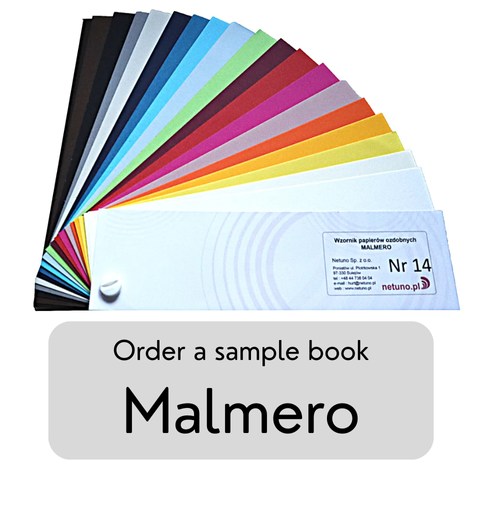
Paper samples are available to customers planning an order. Each sample is a sheet that shows the paper's colour, texture, weight, and finish, such as pearlescent or metallic. This allows you to check how the paper looks in person, how it prints in your printer, and how it behaves after scoring. Samples are dispatched by courier within 24-48 hours. A maximum of 10 samples can be ordered at a time. Samples are available for a small fee or free of charge when full packs are ordered.
Not sure which paper is right for your project? We can help.
The Netuno team can recommend the most suitable paper for your intended application. The information needed includes what you are creating, such as an invitation, business card, diploma, or greeting card, as well as the preferred style, such as elegant, rustic, modern, or minimalist, the desired effect, such as subtle, bold, or luxurious, your budget, and the printing method. Based on these details, we recommend a paper that offers the right balance between appearance and cost. Consultations by email or telephone are free of charge. Our experience in the paper industry allows us to match the paper precisely to the requirements of your project.
The most popular choice is 230-250 g/m² pearlescent paper in white or ecru - elegant, versatile, and finished with a subtle sheen. Alternatives include textured paper for a classic and formal look or kraft paper for a rustic and natural style. A paper weight of 230-250 g/m² is the standard for invitations.
The standard choice is smooth white 300 g/m² card stock - it offers optimal rigidity, excellent print quality, and good durability. For creative industries, 300 g/m² pearlescent or metallic paper is a suitable option. For more traditional professions, 300 g/m² textured paper works well. The minimum recommended weight is 250 g/m², 300 g/m² is optimal, and 350-400 g/m² is suitable for premium business cards.
White textured paper with a weight of 200-250 g/m² is the classic choice for diplomas, with a linen finish adding formality and prestige. Smooth premium white paper is a good alternative for modern diploma designs. A4 is the standard format, while A3 is used for larger presentation diplomas.
Smooth coloured paper with a weight of 160-250 g/m² is suitable for backgrounds, photo mats, and frames. Patterned paper may feature polka dots, stripes, or floral designs. Pearlescent paper works well for elegant pages, while kraft paper is ideal for rustic albums. Variety is essential in scrapbooking, including different colours, patterns, paper weights, and textures.
It depends on the printer and the type of paper. Home laser printers often support paper weights of up to 220 g/m², so 230-250 g/m² paper may not feed correctly. Inkjet printers often support paper weights of up to 300 g/m². A test print should always be carried out before printing a large quantity. For heavier paper or specialist finishes such as pearlescent or metallic paper, professional digital printing is recommended.
Paper should be stored in dry conditions at a temperature of 18-22°C and a relative humidity of 50-60 percent. Avoid direct sunlight, as pearlescent and metallic papers may fade. Keep sheets in their original packaging or in protective plastic wrapping to shield them from dust and moisture. Properly stored paper can retain its properties for many years.
Informacje zawarte w opisie oparte są na:


